How Infrastructure Performance Impacts Radiology Workflows
Radiology practices depend on more than advanced imaging equipment and sophisticated software to keep operations running smoothly. Behind every scan, image transfer, and diagnostic review is an infrastructure environment responsible for moving, storing, processing, and delivering critical patient data. When that infrastructure performs as expected, radiology workflows operate efficiently. Images are accessible, applications respond quickly, and radiologists can focus on their work rather than waiting for technology to catch up.
However, when infrastructure performance begins to decline, the effects can extend throughout the entire imaging workflow. Slow image retrieval, delayed transfers, application latency, and unexpected downtime create operational bottlenecks that impact radiologists, technologists, referring physicians, and ultimately patients.
The challenge is that infrastructure problems aren’t always obvious. A server can be online while the applications running on it struggle to deliver the performance clinical teams need. Understanding the relationship between infrastructure performance and radiology operations is essential for healthcare organizations looking to improve efficiency, maintain availability, and support increasingly demanding imaging environments.
1. PACS Performance Starts with the Infrastructure Behind It
Picture Archiving and Communication Systems (PACS), also known as Medical Image Management and Processing Systems (MIMPS), are central to modern radiology operations. They allow healthcare professionals to store, retrieve, distribute, and review medical images across departments and facilities. But PACS performance depends on much more than the application itself. Every time a radiologist opens a study, multiple infrastructure components work together to deliver that information. These include:
- Storage systems: Responsible for maintaining and retrieving large volumes of imaging data.
- Network infrastructure: Moves images between imaging equipment, storage environments, PACS, and clinical workstations.
- Compute resources: Provide the processing power required to support imaging applications and concurrent workloads.
- Database systems: Support the organization and retrieval of patient and study information.
- Integration systems: Enable communication between PACS, Radiology Information Systems (RIS), Vendor Neutral Archives (VNA), and other clinical applications.
If any of these components become constrained, the impact can appear directly in the PACS experience. Radiologists may experience longer image-loading times, delays when navigating between image series, or inconsistent applications responsiveness. Even small delays can become significant when multiplied across hundreds of studies and daily imaging workflows. Radiologists are in high demand, and PACS performance is a significant consideration for radiologists when deciding to work for a practice. Improving PACS performance requires looking beyond the application and evaluating the infrastructure supporting it.
2. Latency Creates Bottlenecks Throughout Radiology Workflows
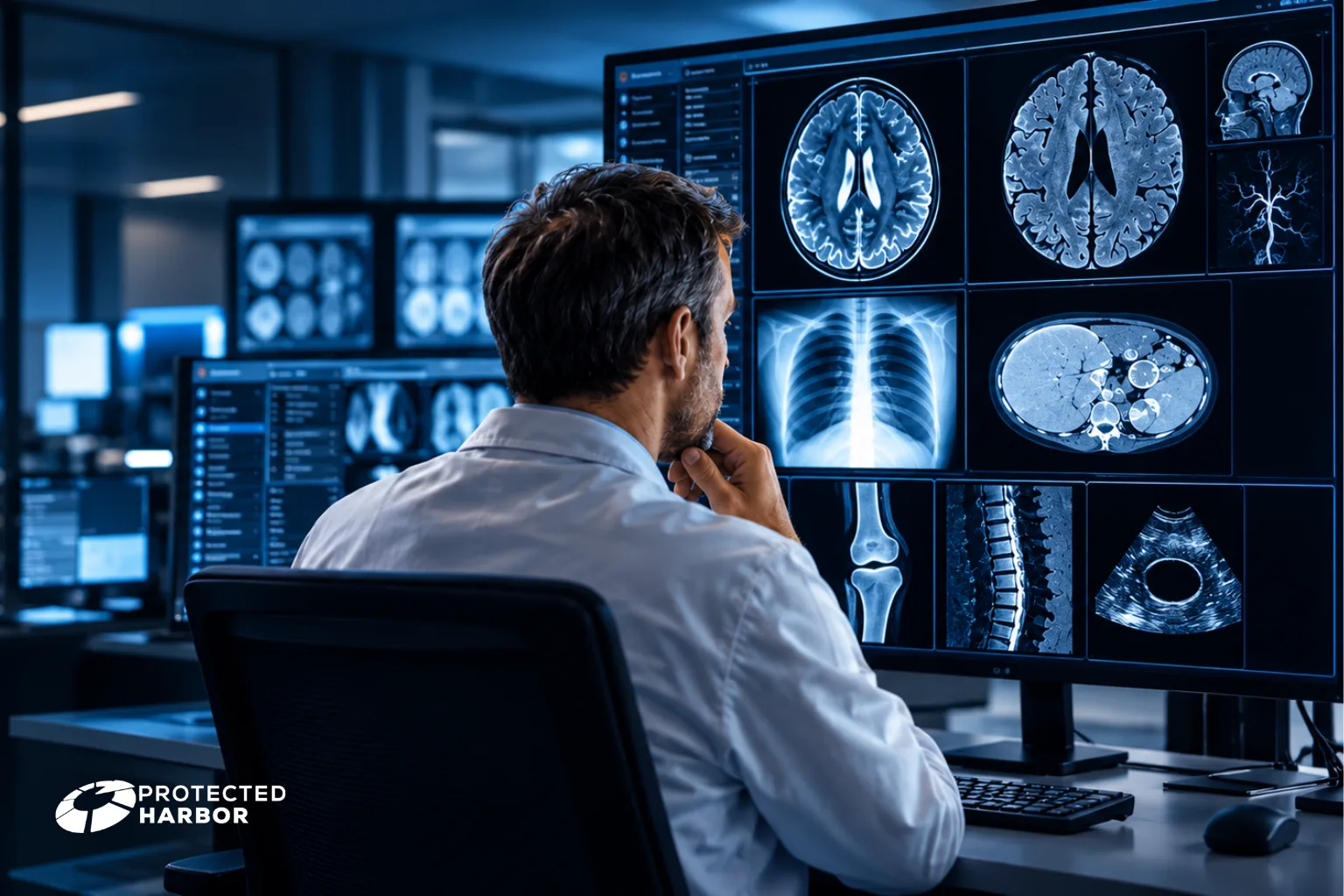
Radiology professionals rely on multiple applications to review images, access patient histories, document findings, and communicate results. These applications must work together seamlessly, however, application performance is closely tied to the infrastructure they rely on.
High network latency, insufficient computing resources, inefficient storage configurations, and competing workloads can all contribute to slow response times. For radiologists, this might mean waiting for studies to load, experiencing delays when navigating between image series, or dealing with sluggish reporting applications. For technologists and administrative teams, it can mean slower registration, scheduling, and coordination processes. The effects trickle down all the way to providers and patients.
Slow PACS performance can cause radiologists to leave your practice if issues are bad enough. Losing the staff your practice depends on can create a ripple effect. Scheduling becomes more difficult, reporting backlogs grow, physicians may fall behind, and patients may experience longer wait times. Ultimately, performance issues can influence more than operational efficiency. They can affect the quality and timeliness of care, patient satisfaction, staff retention, and your organization's reputation and bottom line.
The challenge is that application performance issues are not always caused by the application itself. Sometimes, the underlying infrastructure is the real source of the problem. For example, a PACS application may be functioning correctly, but if its storage environment cannot retrieve imaging data quickly enough, users will still experience delays. This is why radiologist practices and healthcare organizations need an infrastructure strategy that considers how applications actually operate under real-world pressure, rather than simply measuring whether individual servers and systems are online.
3. Downtime Can Disrupt the Entire Imaging Workflow
Radiology workflows are highly interconnected. Imaging equipment, PACS, RIS, reporting applications, and storage systems all depend on reliable communication and availability. When one critical component becomes unavailable, the impact can extend beyond a single application.
A PACS outage, for example, can prevent radiologists from accessing prior studies or reviewing newly acquired images. Storage interruptions can affect image availability while network disruptions can prevent information from reaching the systems and people that need it. Even planned maintenance can create challenges if infrastructure changes are not carefully coordinated around clinical operations.
Healthcare organizations need environments designed for resilience, with appropriate redundancy, monitoring, backup strategies, and controlled maintenance processes. This also means planning for how systems recover when something goes wrong. Redundancy alone isn’t enough if failover processes have not been properly designed and tested. High availability is not simply about keeping servers online. It is about maintaining access to the applications and data that clinical teams depend on, including during maintenance, unexpected disruptions, and periods of increased demand.
4. Uptime ≠ Reliable Performance
Infrastructure availability is critical in healthcare. Radiologist teams need dependable access to imaging systems and patient data throughout the day. However, there is an important distinction between uptime and performance. A system can technically be available while still delivering a poor user experience.
Consider a PACS environment that reports 99.99% uptime. That number is impressive, but it doesn’t tell the entire story. If radiologists regularly experience slow image retrieval, delayed study transfers, or application timeouts, the environment will still create significant operational challenges. Availability measures whether a system is accessible. Performance measures how effectively that system operates when people need it.
Healthcare organizations should evaluate infrastructure using metrics that reflect the actual experience of clinical users, including:
- Image retrieval and loading times
- Application response times
- Network latency and throughput
- Storage performance and utilization
- System availability and recovery times
- Performance during peak imaging workloads
Looking at these measurements together provides a more complete understanding of infrastructure health. The goal shouldn't simply be to keep systems online. It should be to ensure that the applications supporting clinical workflows remain responsive, reliable, and accessible.
5. Storage Performance & Scalability are Crucial
Imaging demands continue to evolve. Higher-resolution studies, expanding imaging services, longer retention requirements, and growing patient populations all contribute to increasing data volumes. This creates ongoing pressure on storage infrastructure. Radiology environments need storage that can accommodate large imaging files while maintaining the performance required for frequent access.
A system that works well today may struggle as imaging volumes increase or additional workloads are introduced. Poorly planned storage environments can lead to slower retrieval times, resource constraints, and difficulty scaling operations. Infrastructure planning should account for both current demands and future growth. This means evaluating:
- Storage capacity and performance requirements
- Image retrieval patterns and access frequency
- Network bandwidth between storage and clinical applications
- Redundancy and data protection
- Retention requirements and long-term scalability
- How imaging applications interact with the underlying environment
Scalability should not come at the expense of performance. Healthcare organizations need infrastructure that can accommodate growing imaging demands without introducing new bottlenecks.
6. Proactive Monitoring Helps Prevent Disruptions Before They Escalate
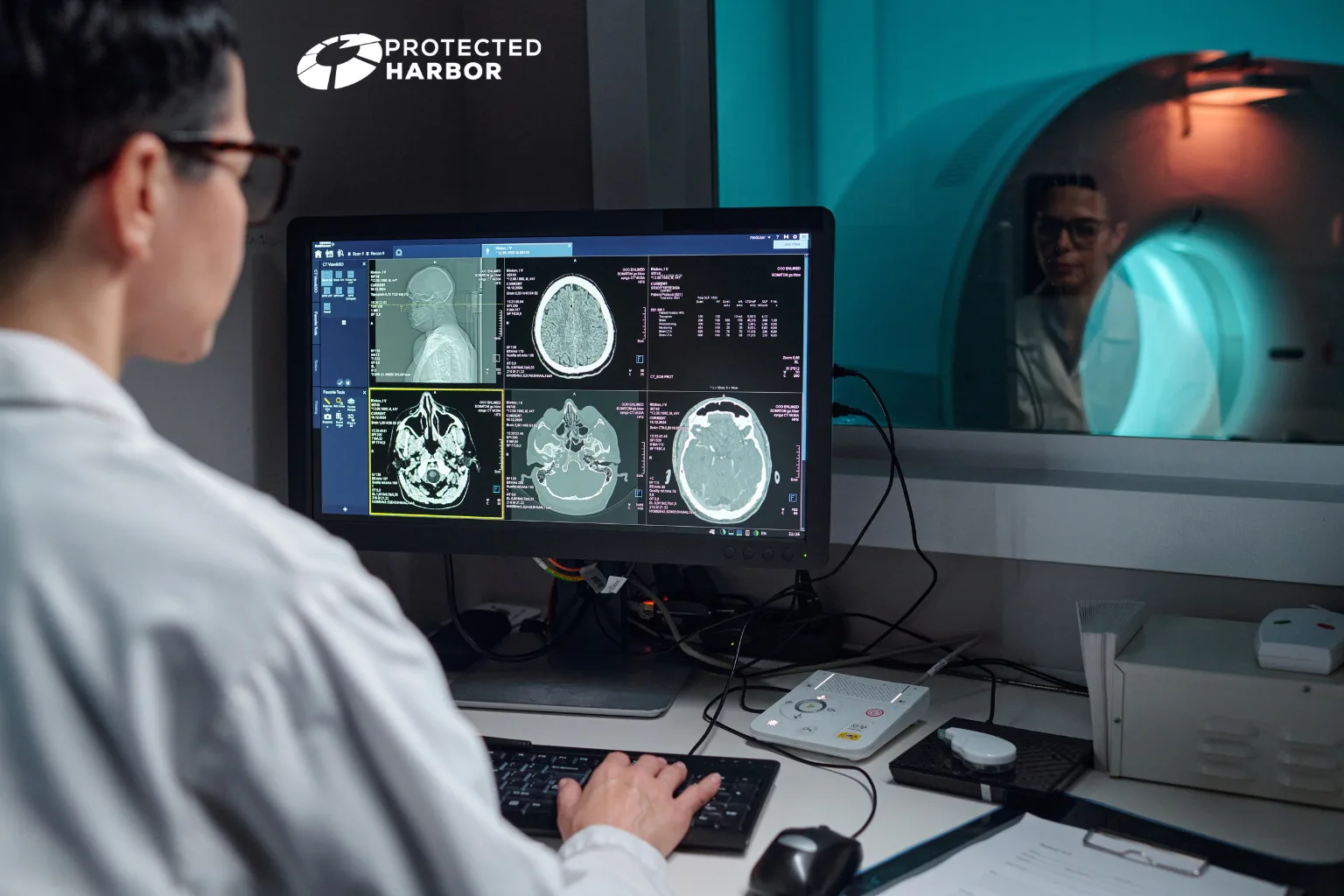
Many infrastructure problems develop before users notice something is wrong. Storage utilization may gradually increase. Network performance may become inconsistent during peak usage. Computing resources may approach capacity. Small performance abnormalities can eventually become larger operational issues. Without meaningful monitoring, IT teams may not identify these warning signs until radiologists or other staff begin reporting problems.
Effective infrastructure monitoring goes beyond checking whether a server is online. It should provide visibility into the performance of the systems and applications supporting critical workflows. For radiology environments, this means monitoring the resources that influence:
- PACS responsiveness and image retrieval
- Storage performance and capacity
- Network latency and throughput
- Application resource utilization
- System availability and potential points of failure
The ability to identify performance trends and investigate underlying causes allows IT teams to address developing issues before they create more significant disruptions. The objective is to move from reacting to reported problems toward proactively managing the infrastructure that supports clinical operations.
7. Infrastructure Should Be Designed Around the Applications It Supports
One of the biggest challenges in healthcare IT is managing infrastructure and applications as if they are separate responsibilities. An application may appear to be functioning correctly from a server availability standpoint while still delivering a poor user experience. A server can be online, but that doesn't necessarily mean images are loading quickly, reporting applications are responsive, or clinical workflows are operating efficiently. This distinction is particularly important in radiology, where application performance directly influences daily operations.
Infrastructure decisions should account for how applications use computing resources, interact with storage, communicate across networks, and respond to changing workloads. This is the foundation of Application-Aware Infrastructure: understanding the relationship between the application and the environment supporting it. Rather than treating servers, storage, networks, and applications as isolated components, an Application-Aware approach considers how the entire environment works together.
For healthcare organizations, this creates an opportunity to make more informed decisions about performance, capacity, security, and availability. It also creates greater accountability. Instead of pointing to individual components/ vendors when something goes wrong, teams can evaluate the entire environment and address the underlying issue.
Building a Stronger Infrastructure Foundation for Radiology
Radiology workflows depend on the consistent availability and performance of the technology behind them. Slow image retrieval, application latency, storage limitations, and unexpected downtime can all introduce friction into processes that healthcare professionals rely on every day. Improving PACS performance requires looking beyond individual applications and hardware components. It means understanding how the entire infrastructure environment works together and ensuring that it is engineered to support the demands of modern imaging.
At Protected Harbor, we believe infrastructure should be built around the applications it supports. Our Application-Aware Infrastructure approach brings application knowledge and infrastructure engineering together to help organizations maintain performance, security, and availability across critical environments. Because in radiology, infrastructure performance isn't just an IT metric. It's part of keeping clinical workflows moving.
Is your infrastructure keeping up with the demands of your imaging environment?
Contact Protected Harbor to learn how an infrastructure assessment can help identify performance bottlenecks, availability risks, and opportunities to strengthen your radiology environment.